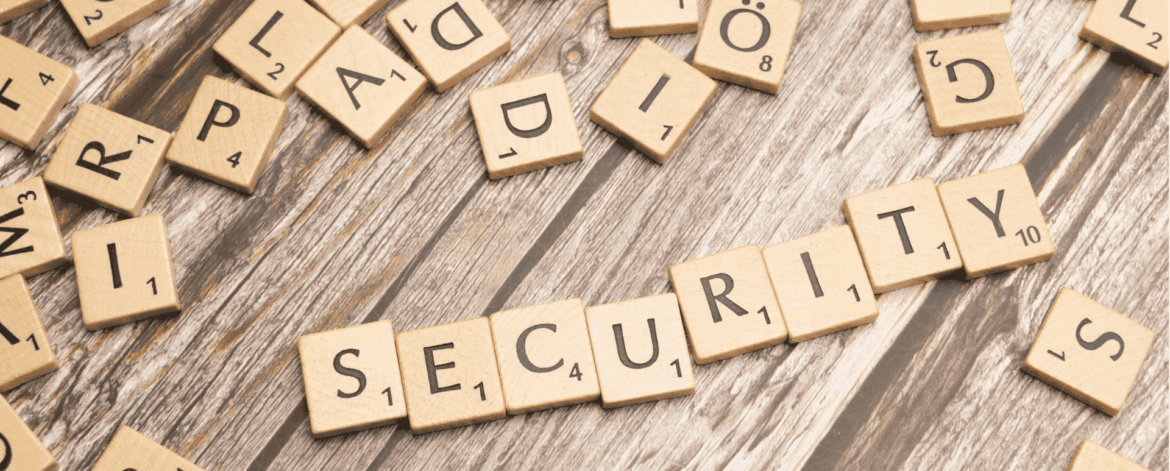
Email security for home-based care agencies is your first line of defense. Phishing and business email compromise are the leading ways attackers steal patient data, and the right protections stop threats before they reach your team’s inbox.
Protecting Patient Data, Maintaining Compliance, and Reducing Risk in a Phishing-Driven Threat Landscape
Email is one of the most critical communication tools for home-based care companies. It’s how care teams coordinate schedules, share updates, and communicate with patients and families. But it’s also the most common entry point for cyber threats and one of the biggest risks to sensitive patient data.
In an industry where trust, privacy, and compliance are non-negotiable, email security is no longer just an IT concern. It’s a business-critical priority.
The Growing Risk: Why Email Security Can’t Be Overlooked
Healthcare organizations continue to be prime targets for cybercriminals, and email remains their preferred attack method. Phishing scams alone account for the vast majority of cyberattacks in the healthcare sector, making them one of the most persistent and dangerous threats facing home-based care providers today.
As of late 2025, phishing is still the leading access point for healthcare data breaches, putting Protected Health Information (PHI) directly at risk. A single compromised inbox can expose patient records, billing data, and internal communications, triggering serious HIPAA violations and damaging patient trust.
For home-based care companies that rely heavily on mobile staff and remote communication, the risk is even higher. Without strong email security controls, every inbox becomes a potential vulnerability.
What Makes Home-Based Care Companies Especially Vulnerable
Unlike traditional healthcare environments, home-based care teams operate in decentralized settings. Caregivers are often accesing email from multiple devices, networks, and locations throughout the day.
This creates several unique challenges:
· Increased use of personal or unmanaged devices
· Limited visibility into employee email activity
· Greater reliance on mobile access outside secure networks
· Higher likelihood of rushed communication, increasing human error
When combined, these factors make it easier for phishing emails to slip through and harder for organizations to detect suspicious behavior early.
The Real Impact of an Unsecured Email Environment
An unsecured email system doesn’t just create technical issues it introduces real business and compliance risks.
Exposure of PHI
Sensitive patient data can be accessed, stolen, or improperly shared, leading to serious privacy violations.
HIPAA Compliance Risks
Email breaches can trigger audits, fines, and legal consequences if proper safeguards are not in place.
Operational Disruption
A compromised account can lead to downtime, locked systems, or internal confusion that disrupts care delivery.
Reputational Damage
Trust is everything in home-based care. A security incident can erode confidence among patients, families, and partners.
Building a Stronger Email Security Foundation
Improving email security is not about implementing a single tool. It requires a layered approach that addresses both technology and human behaviour.
Advanced Email Filtering and Threat Detection
Modern email security platforms can identify and block malicious links, attachments, and spoofed senders before they ever reach an inbox.
Multi-Factor Authentication (MFA)
Even if credentials are compromised, MFA adds a critical barrier that prevents unauthorized access.
Ongoing Employee Awareness Training
Since phishing relies heavily on human error, regular training helps staff recognize suspicious emails and respond appropriately.
Email Encryption for Sensitive Communications
Encrypting emails that contain PHI ensures that even if intercepted, the information remains protected.
Access Controls and Device Management
Limiting who can access what, and from which devices, reduces unnecessary exposure and strengthens overall security posture.
Why Email Security Should Be a Strategic Priority
For home-based care companies, email security is directly tied to patient safety, regulatory compliance, and business continuity. It is not just about preventing cyberattacks, it’s about ensuring that care operations can run smoothly without disruption.
Organizations that take a proactive approach to email security are better positioned to:
· Protect sensitive patient information
· Maintain compliance with healthcare regulations
· Reduce the likelihood of costly security incidents
· Build long-term trust with patients and partners
Supporting Secure, Compliant Operations in the Bay Area
Home-based care providers across the San Francisco Bay Area face increasing pressure to modernize their IT environments while staying compliant and secure. Email security is one of the most impactful areas to address first.
At IT Total Care, we help home-based care companies implement secure, compliant email systems that protect patient data and reduce risk. From advanced threat protection to employee training and ongoing monitoring, we provide the support needed to keep your organization secure and operational.
If your organization is relying on email every day, it’s worth asking: is it truly protected?
Contact IT Total Care to learn how to strengthen your email security and safeguard your business.