Protecting Patient Data and Business Systems in an Increasingly Targeted Industry
Cybersecurity is no longer just an IT concern for healthcare organizations. For home-based care providers, it has become a critical operational priority. As the industry becomes more reliant on digital tools such as electronic health records, scheduling systems, and mobile documentation platforms, the risk of unauthorized access to sensitive information continues to rise.
Healthcare remains one of the most targeted industries for cybercrime. According to Verizon’s 2025 Data Breach Investigations Report, the healthcare sector experienced 1,710 security incidents with 1,542 confirmed data disclosures in a single 12-month period. This represents a significant increase from the previous year and highlights how frequently attackers target organizations handling medical data.
For home-based care companies, where employees access systems from patient homes, personal devices, and remote locations, protecting sensitive information requires stronger access controls. One of the most effective ways to strengthen security is through Multi-Factor Authentication (MFA).
Why Home-Based Care Organizations Face Elevated Cybersecurity Risk
Unlike traditional healthcare facilities, home-based care providers operate with a highly distributed workforce. Caregivers, nurses, and administrative staff often log into systems from multiple locations throughout the day. While this mobility improves patient care and operational efficiency, it also introduces additional cybersecurity risks.
Several factors contribute to increased vulnerability:
• Staff frequently access systems from different networks and devices
• Login credentials may be stored on mobile devices or shared workstations
• Employees may use cloud platforms such as Microsoft 365 or Google Workspace while working remotely
• Patient data is accessed outside of controlled office environments
These conditions create more opportunities for cybercriminals to compromise accounts. Once attackers gain access to a single account, they can potentially move laterally across systems, exposing sensitive patient information and internal business data.
Multi-Factor Authentication: A Critical Layer of Protection
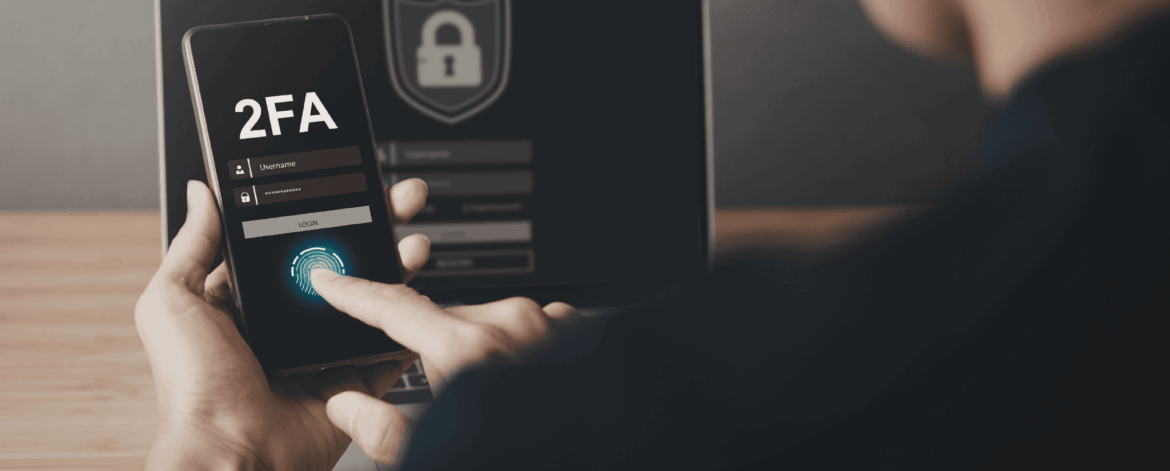
Multi-Factor Authentication significantly strengthens account security by requiring users to verify their identity through more than just a password. Instead of relying on a single credential, MFA introduces an additional verification step before access is granted.
This second factor often includes:
• A one-time verification code sent to a trusted device
• Authentication through a mobile security application
• Biometric verification such as fingerprint or facial recognition
• A hardware security key
Even if a cybercriminal obtains a user’s password through phishing or credential theft, MFA creates an additional barrier that prevents unauthorized access. This simple security measure can dramatically reduce the likelihood of account compromise.
For organizations handling sensitive healthcare data, MFA acts as a safeguard protecting critical systems such as electronic health records, scheduling platforms, communication tools, and cloud storage.
Compliance Pressures Are Increasing for Healthcare Security
Cybersecurity is not only about protecting business systems. It is also about maintaining compliance with healthcare regulations.
New HIPAA guidance is expected to explicitly require Multi-Factor Authentication across systems that access electronic protected health information (ePHI). As regulatory expectations evolve, security measures that were once considered best practices are quickly becoming compliance requirements.
For home-based care companies, this means cybersecurity strategies must account for both operational risk and regulatory obligations. Implementing strong authentication controls helps organizations protect patient data while demonstrating compliance with federal privacy and security standards.
Failing to address these requirements can expose organizations to regulatory penalties, legal risk, and reputational damage.
Reducing Risk Across a Mobile Workforce
One of the biggest cybersecurity challenges in home-based care is managing secure access for employees who work outside traditional office environments.
Caregivers may log in to documentation platforms from a patient’s home, supervisors may review care plans from remote offices, and administrative teams may manage schedules through cloud systems. Each login point represents a potential entry point for cybercriminals.
By requiring MFA for all critical applications, organizations dramatically reduce the likelihood that stolen credentials can be used to access sensitive systems.
This additional layer of authentication helps ensure that even if passwords are compromised, attackers cannot easily gain entry to patient records or internal systems.
MFA as Part of a Stronger Cybersecurity Strategy
While Multi-Factor Authentication provides significant protection, it works best as part of a broader cybersecurity strategy. Home-based care organizations should approach security through multiple layers designed to reduce risk across systems, users, and devices.
A comprehensive cybersecurity posture often includes:
• Secure access controls and identity management
• Endpoint protection for laptops, tablets, and mobile devices
• Email security to reduce phishing attacks
• Ongoing employee cybersecurity awareness training
• Continuous monitoring for suspicious login activity
When combined with these protections, MFA becomes a powerful defense against many of the most common attack methods used by cybercriminals.
Strengthening Security for Home-Based Care Organizations
As the home-based care industry continues to expand, technology will play an increasingly central role in delivering quality patient services. However, the same systems that enable better care also create opportunities for cyber threats.
Protecting sensitive patient information requires proactive cybersecurity measures designed for a distributed workforce. Multi-Factor Authentication is one of the most effective tools available for reducing unauthorized access and protecting healthcare systems.
For organizations that rely on remote access, cloud platforms, and mobile staff, strengthening authentication controls can make a meaningful difference in preventing data breaches and maintaining regulatory compliance.
IT Total Care: Cybersecurity Support for Bay Area Healthcare Providers
At IT Total Care, we help home-based care companies across the San Francisco Bay Area strengthen their cybersecurity posture while maintaining operational efficiency. Our team works with healthcare organizations to secure cloud platforms, protect sensitive patient data, and implement modern identity security solutions such as Multi-Factor Authentication.
From proactive security monitoring to compliance-focused IT strategies, we help healthcare providers reduce cyber risk and protect the systems that support patient care.
If your home-based care organization is evaluating ways to strengthen cybersecurity, our team can help you build a security framework designed for the realities of a distributed workforce.
Contact IT Total Care today to learn how we support secure, compliant IT environments for healthcare providers throughout the Bay Area.