

Strengthen Your Business Security in a High-Risk Digital World
In today’s cybersecurity landscape, small and mid-sized businesses (SMBs) are increasingly targeted by hackers – and the Bay Area is no exception. While strong passwords used to be enough, they no longer provide adequate protection against modern cyber threats. Multi-Factor Authentication (MFA) has become a non-negotiable security measure for businesses that want to protect their sensitive data, accounts, and operations.
Here’s why implementing MFA is critical for Bay Area SMBs in 2025.
1. Protects Your Business-Critical Accounts
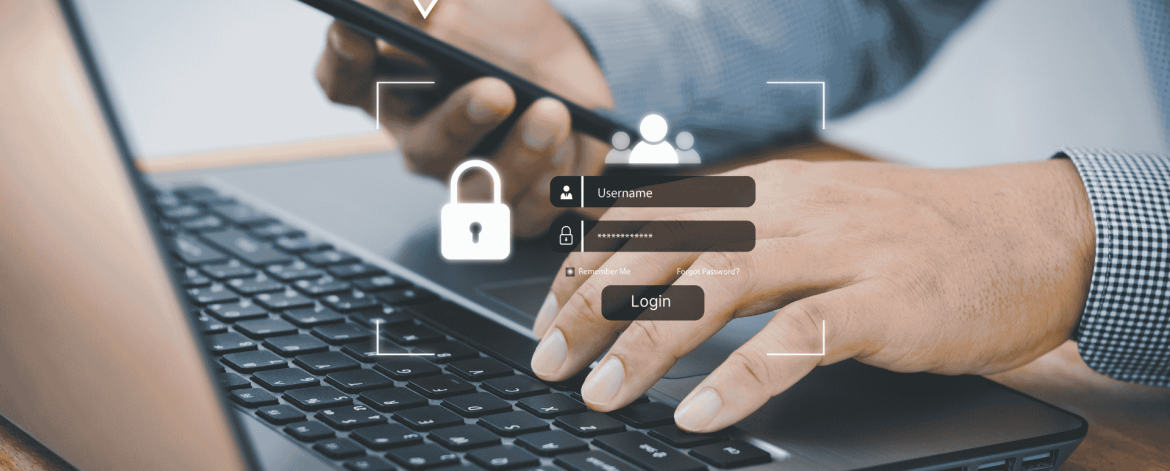
MFA adds an extra layer of security by requiring two or more verification methods – like a password plus a one-time code or biometric check – before granting access. This drastically reduces the risk of compromised credentials leading to breaches.
Examples of accounts that should be protected with MFA:
- Email platforms: Outlook, Gmail
- Microsoft 365 & Google Workspace
- Single Sign-On platforms: Azure, Okta, Duo
- Financial accounts: Online banking, Bill.com, Melio
- Accounting & payroll software: QuickBooks, Xero, Gusto, ADP
- Cloud services: AWS, Azure, Google Cloud, Dropbox, OneDrive
- Business tools: Salesforce, HubSpot, ServiceTitan, Zendesk
- Password managers: LastPass, 1Password
If cybercriminals gain access to any of these systems, the financial and reputational damage can be devastating.
2. MFA Defends Against Common Attack Vectors
Phishing emails, credential stuffing, and brute-force attacks are still among the top methods hackers use to compromise SMBs. Even if an employee accidentally reveals their password, MFA ensures the attacker can’t log in without an additional authentication factor. According to Microsoft, MFA can block over 99.9% of account compromise attacks.
Why it matters: Bay Area SMBs often work with valuable client data and intellectual property – making them prime targets for cybercriminals seeking a big payoff.
3. Compliance and Cyber Insurance Require It
Many industry compliance frameworks (like HIPAA, PCI-DSS, and SOC 2) now mandate MFA for sensitive systems. Cyber insurance providers are also tightening requirements, with MFA becoming a standard prerequisite for coverage approval.
Without MFA, you may face:
- Higher insurance premiums or denial of coverage
- Failed compliance audits
- Increased legal exposure after a breach
4. It’s a Cost-Effective Security Upgrade
Unlike other cybersecurity measures that require heavy infrastructure investment, MFA is relatively simple and cost-effective to implement. Most modern business platforms (Microsoft 365, Google Workspace, Salesforce, etc.) already support MFA natively – making it one of the highest-ROI security upgrades available.
5. Local Cyber Threats Are Rising
The Bay Area’s concentration of tech-driven companies makes it a hotspot for cybercrime. Local SMBs often assume they’re “too small to be targeted,” but the opposite is true: hackers know SMBs typically have fewer defenses than large enterprises, making them an easier entry point.
Final Thoughts: Secure Your Business Now Before It’s Too Late
Cybersecurity isn’t just an IT concern – it’s a business survival issue. Implementing MFA is one of the fastest, most effective steps you can take to protect your Bay Area SMB from costly cyberattacks.
At IT Total Care, we help Bay Area businesses implement enterprise-grade cybersecurity solutions – including MFA – tailored to small and mid-sized business budgets. From setup and training to ongoing support, we make it simple to stay secure and compliant.
👉 Ready to secure your business accounts with MFA? Contact IT Total Care today for a free cybersecurity consultation.