
Opening a new dental practice involves dozens of moving parts, and technology is one of the most critical. From HIPAA compliance to imaging integration and cybersecurity, your IT decisions directly impact patient care, operational stability, and profitability. Below are answers to the most common questions we hear from new dental practices across the San Francisco Bay Area.
1. Why is IT planning so important when opening a new dental practice?
Dental practices rely on technology for scheduling, digital imaging, billing, insurance processing, patient communication, and electronic health records. If your IT foundation is not designed properly from the beginning, small oversights can turn into major disruptions. Proactive IT planning protects patient data, prevents downtime, supports HIPAA compliance, and reduces the risk of costly surprises after you open.
2. What are the most common IT mistakes new dental practices make?
Some of the most common pitfalls include:
- Using outdated hardware or unsupported operating systems
- Failing to implement proper HIPAA safeguards
- Relying on weak cybersecurity protections
- Overlooking integration between dental software and clinical equipment
- Using manual or inconsistent backup processes
- Waiting until after opening to evaluate IT infrastructure
These issues often result in downtime, compliance gaps, and unexpected remediation costs.
3. How does poor IT planning affect HIPAA compliance?
New dental practices handle electronic protected health information from day one. Without encrypted systems, proper access controls, documented policies, and secure data transmission, your practice may be exposed to HIPAA violations. Compliance is not just about policies on paper. It requires secure infrastructure, ongoing monitoring, and documented safeguards built into your technology environment.
4. Why is dental software and equipment integration such a big deal?
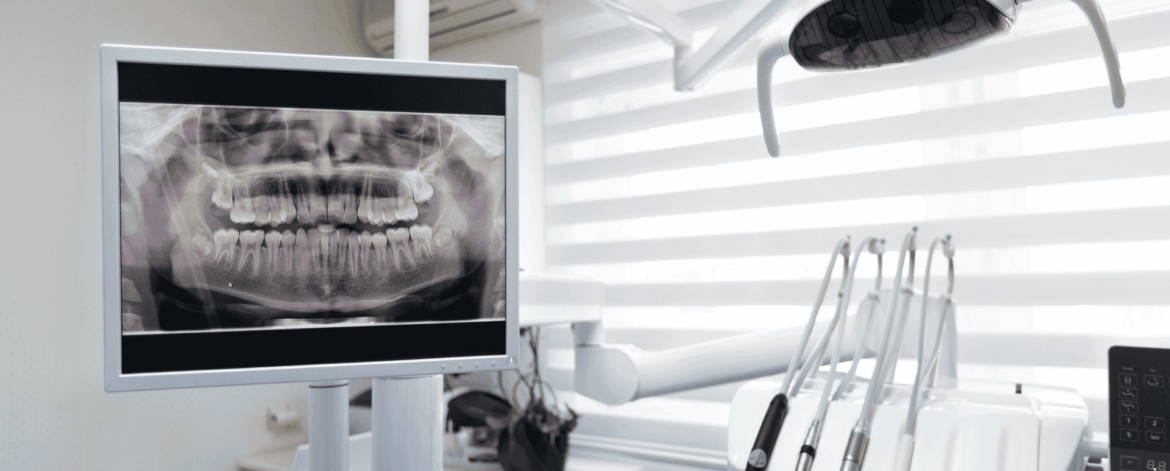
Modern dental offices use practice management systems such as Dentrix, Open Dental, or Eaglesoft alongside digital sensors, CBCT units, intraoral scanners, and imaging platforms. If these systems are not configured to work together properly, staff may experience workflow bottlenecks, manual workarounds, or broken integrations after updates. Seamless integration improves efficiency, reduces appointment delays, and supports a better patient experience.
5. Is cloud software enough to protect my data?
Cloud access alone does not guarantee protection. Many cloud platforms are not responsible for long term backup of your data. Without automated, encrypted, and tested backups, your practice may be vulnerable to data loss caused by ransomware, hardware failure, or accidental deletion. A structured backup and disaster recovery strategy ensures your data can be restored quickly if something goes wrong.
6. What cybersecurity protections should a new dental practice have in place?
At a minimum, new dental practices should implement:
- Endpoint detection and response tools
- Email filtering and anti phishing protection
- Multi factor authentication
- Encrypted backups
- Ongoing cybersecurity awareness training for staff
Healthcare providers are frequent targets of ransomware and phishing attacks. Strong cybersecurity reduces your exposure and supports compliance requirements.
7. How can downtime impact a dental practice financially?
If your network or practice management software goes offline, your team may lose access to patient charts, imaging, scheduling, and billing systems. This can lead to canceled appointments, delayed procedures, and lost revenue. Even a few hours of downtime during peak hours can have a significant financial impact. Proactive monitoring and infrastructure planning reduce the likelihood of these interruptions.
8. Should IT diligence be part of acquiring an existing dental practice?
Absolutely. When acquiring a practice, failing to evaluate its IT infrastructure can result in major post acquisition expenses. Outdated servers, unsupported software, weak cybersecurity, or non compliant systems may require immediate upgrades. Conducting IT diligence before purchase helps identify risks early and avoid tens of thousands of dollars in unexpected remediation costs.
9. Is reactive IT support enough for a new dental practice?
Reactive support, where you only call for help after something breaks, often leads to instability and frustration. A proactive approach includes ongoing monitoring, regular updates, structured maintenance, and strategic planning. This reduces downtime, improves compliance posture, and helps ensure your technology supports long term growth rather than creating recurring disruptions.
10. How can a managed IT provider help a new dental practice avoid these pitfalls?
A managed IT provider with dental industry experience can:
- Design secure, HIPAA aligned systems from the start
- Implement a full cybersecurity stack
- Ensure seamless integration between software and clinical equipment
- Deploy reliable backup and disaster recovery solutions
- Architect stable and scalable networks
- Provide ongoing proactive support and monitoring
- Deliver predictable monthly IT costs
- Align technology planning with your practice’s long term goals
For new dental practices in the San Francisco Bay Area, building the right IT foundation from day one protects patient trust, operational continuity, and profitability.
Contact Us
Opening or acquiring a dental practice in the Bay Area? Make sure your IT environment is secure, compliant, and built for long term growth.
IT Total Care specializes in dental IT support, HIPAA compliant system design, cybersecurity, backup and disaster recovery, and proactive managed IT services for practices across the San Francisco Bay Area.
Contact IT Total Care today to schedule a consultation and ensure your dental practice avoids costly IT pitfalls from day one.