
Why Reliable Connectivity Has Become Mission-Critical for Home-Based Care Operations In the home-based care industry, technology disruptions rarely stay confined to the IT department. A dropped internet connection can delay caregiver scheduling, interrupt communication with field staff, slow down payroll processing,…

FAQ: Data Backup Essentials for Home-Based Care
1. Why is data backup important for home-based care companies? Data backup is essential because patient information directly supports care delivery, scheduling, billing, and compliance. Without reliable backups, losing access to this data can interrupt care, delay operations, and create serious…

What We Wish We’d Known Before Choosing an IT Partner: A Home Care Agency’s Take
Choosing the right IT partner is one of those decisions that can quietly shape the entire day-to-day experience of a home care agency. At Comfort Keepers of the South Bay and Peninsula, our focus is simple: helping seniors and adults live…

Don’t Lose It All: Data Backup Essentials for Home-Based Care
Why Reliable Data Backup Is Critical for Continuity, Compliance, and Patient Trust In home-based care, data is not just operational, it is foundational to patient health, caregiver coordination, and business stability. Every care plan, medication schedule, visit log, and billing record…
FAQ: How Home-Based Care Companies Can Protect Patient Data and Devices with Endpoint Detection & Response (EDR)
1. What is Endpoint Detection and Response (EDR)? Endpoint Detection and Response is an advanced cybersecurity solution that continuously monitors devices such as laptops, desktops, and mobile devices for suspicious activity. It identifies potential threats in real time and responds quickly…
Cybersecurity for Home-Based Care Companies: How Endpoint Detection & Response (EDR) Protects Patient Data and Devices
Strengthening Endpoint Security Across a Distributed Care Environment Home-based care companies operate in one of the most complex IT environments today. Care teams move between patient homes, administrative offices, and remote work setups, often relying on laptops, tablets, and mobile devices…

FAQ: How Home-Based Care Companies Can Protect Patient Data in the Cloud with SaaS Backup
1. What is SaaS backup and why is it important for home-based care companies? SaaS backup is a solution that creates secure, separate copies of your cloud data, including emails, files, and patient records stored in platforms like Microsoft 365 and…
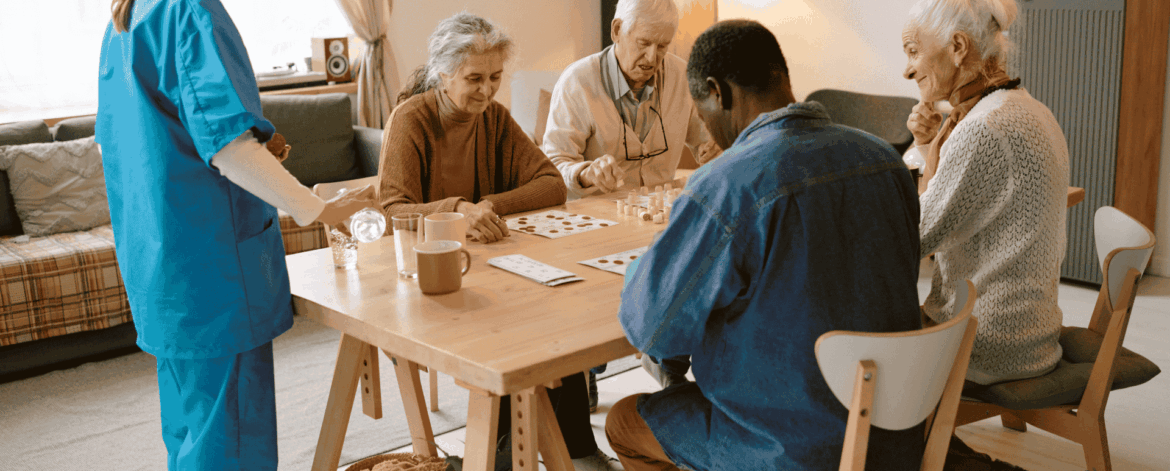
SaaS Backup for Home Care Companies: Protecting Patient Data in the Cloud
Why Cloud Data Still Needs a Safety Net in a Highly Regulated Industry Home-based care companies are increasingly relying on cloud platforms like Microsoft 365 and Google Workspace to manage patient records, internal communications, and day-to-day operations. While this shift enables…

FAQ: How Home-Based Care Companies Can Improve Endpoint Protection
1. What is endpoint protection and why is it important for home-based care companies? Endpoint protection is a cybersecurity solution designed to secure devices such as laptops, tablets, and mobile phones that access company systems. For home-based care companies, it is…
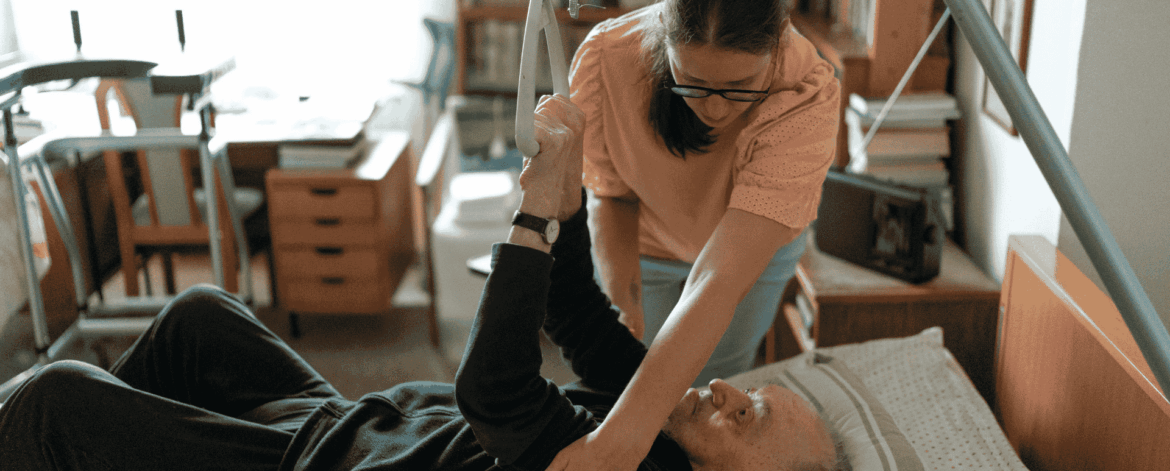
Endpoint Protection for Home-Based Care Companies
Securing Every Device That Touches Patient Data in a Distributed Care Environment In today’s home-based care landscape, care delivery extends far beyond a centralized office. Caregivers, coordinators, and administrative staff rely on laptops, tablets, and mobile devices to access patient information,…